Zombie Stage Amputation Auction: How the Arena Actually Works
Zombie Stage does not execute its losers. It auctions their body parts. Here is how the arena economy works, what it is really about, and why it is scarier than a death.
The amputation auction is the detail that makes Zombie Stage land differently from every other death-game AU. It is also the setting fans understand least — most pages mention it, almost none explain it. This one does.
The rule, plainly
In Zombie Stage, losing a duel does not kill you. It costs you a body part, which is then sold to the audience.
That is the whole mechanic. The loser is taken to a slaughtering table, the part is removed, and the arena auctions it. The performer survives the process and stays in the story.
| Question | Answer | | --- | --- | | Penalty for losing | Amputation, not execution | | What happens to the part | Sold to the audience | | Where | The slaughtering table | | Is the loser killed? | No | | Do they leave the story? | No — they remain, diminished |
The scene everyone asks about
The auction is not lore inferred from a wiki. It is shown.
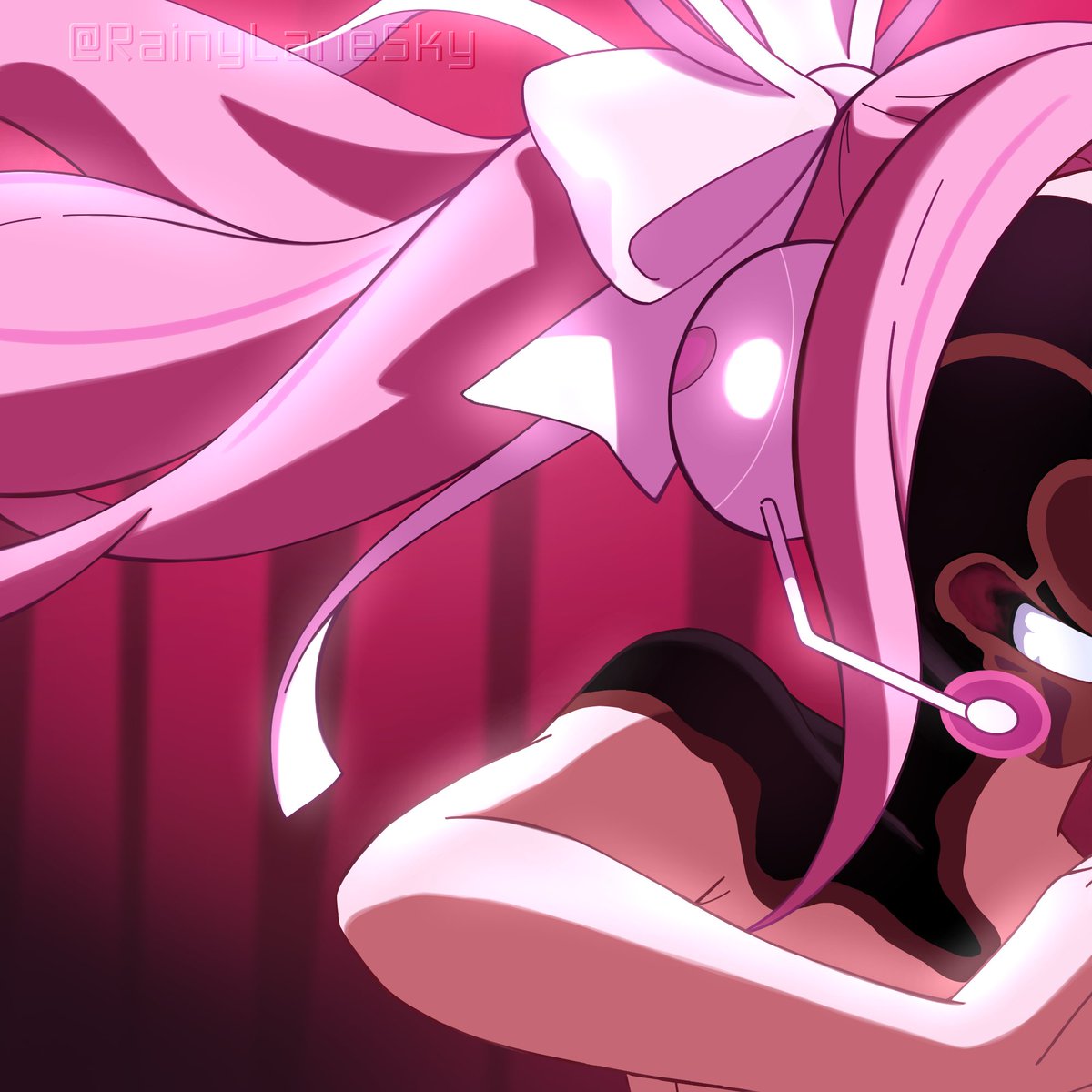
After Mizi beats Sua by one point in Candy Scar, Sua is laid on the slaughtering table and her arm is cut off and sold to the audience. An acapella pass of Little Bunny plays over the scene.
Two things about how it is staged matter:
- It plays like an execution. The framing, the music, the stillness — everything reads as a death scene.
- It is not one. There is no death. The horror is deliberately mismatched with the outcome.
That mismatch is why “does Sua die in Zombie Stage” is a real search query. The episode wants you unsure. For the full answer, see Who Dies in Zombie Stage?.
The auction economy
Read the auction as an economy rather than a punishment, and the AU’s politics come into focus.
The official premise, printed on the soundtrack release, sets the world up:
It has been a long time since an unknown infectious disease engulfed the world. Criminal organizations and corrupt police have concealed zombies in the underground…
Against that backdrop, the auction is not a cruel flourish — it is a market functioning normally.
| Stage of the auction | What it means | | --- | --- | | Performance | The fighter’s value is demonstrated publicly | | Verdict | A one-point margin decides who is inventory | | Table | The body is broken down for sale | | Sale | The audience — the same people who watched — buys |
The audience is not a witness to the punishment. The audience is the customer. That is the sentence the whole AU is built around.
What it is actually about
VIVINOS’s Alien Stage has always been legible as a comment on the idol industry: performers, stages, rankings, and an audience that consumes the people it cheers for.
Zombie Stage pushes that reading one step further. In Alien Stage, the industry consumes a performer’s life. In Zombie Stage, it consumes their body in pieces — and keeps them working. The loser is not discarded. The loser is liquidated and retained.
That is the sharper satire. It is also why the AU feels colder than the main series despite having a lower body count: nothing is wasted, including the person.
vs Alien Stage’s stakes
| | Alien Stage | Zombie Stage | | --- | --- | --- | | Losing costs | Your life | A body part | | The loser after losing | Gone | Still present, reduced | | The audience’s role | Watches the death | Buys the remains | | The horror | Spectacle of death | Merchandising of the body | | Can you predict who “dies”? | Yes — losing is fatal | No — losing is not fatal |
That last row is why the usual death-game logic fails on Zombie Stage. You cannot rank characters by danger using a death list, because there is no death list to build. The right question is not who dies but who gets sold.
What is confirmed
Everything on this page is anchored to what is on the record:
- Confirmed: the premise text on the official soundtrack release; Round 1’s result (Mizi by one point); Sua’s amputation and sale; Little Bunny playing over the scene.
- Interpretation, labelled as such: the idol-industry reading and the “liquidated and retained” framing. These are arguments from the text, not statements by the studio.
- Not claimed: any specific mechanical detail a second episode has not shown — how many parts, whether there is a limit, or what happens to a fighter who has nothing left to lose. No episode has answered those.
This page is updated when an episode shows a new rule. Until then, the auction has exactly one documented customer, one documented sale, and a great deal of implication.
Frequently asked
What is the amputation auction in Zombie Stage? +
It is the arena's penalty for losing. Instead of executing the losing performer, the arena amputates them on a slaughtering table and sells the removed parts to the audience. Sua loses an arm this way after Round 1.
Why does Zombie Stage sell body parts? +
The official premise is a world overrun by an unknown infection where criminal organisations and corrupt police hide zombies in an underground market. The auction is that market made literal — the performers are goods, and losing reduces their value but does not retire them.
Is the amputation shown on screen? +
The aftermath is staged directly: Sua is laid on a slaughtering table and the auction happens, with Little Bunny playing acapella over it. The cutting itself is conveyed by implication rather than shown in graphic detail.
Can a character who loses still come back? +
Yes, and that is the difference from Alien Stage. Because the penalty is dismemberment rather than death, a losing character remains in the story with less of themselves. Sua ends Round 1 alive.


Read next
Deep dive
Who Dies in Zombie Stage? Round 1 Deaths & Survival Odds
Continue →
Recap
Zombie Stage Round 1: Everything That Happens, In Order
Continue →
Or head back to the full reader.
Written by fans, for fans. This article is not affiliated with VIVINOS, SCALAR or STUDIO LICO. Corrections welcome at [email protected].